Author: Salwa Iqbal

  • On Belonging: Finding Connection In An Age Of Isolation

    On Belonging: Finding Connection In An Age Of Isolation

    [fusion_builder_container hundred_percent=”no” equal_height_columns=”no” hide_on_mobile=”small-visibility,medium-visibility,large-visibility” background_position=”center center” background_repeat=”no-repeat” fade=”no” background_parallax=”none” parallax_speed=”0.3″ video_aspect_ratio=”16:9″ video_loop=”yes” video_mute=”yes” border_style=”solid” type=”legacy”][fusion_builder_row][fusion_builder_column type=”1_1″ layout=”1_1″ background_position=”left top” border_style=”solid” border_position=”all” spacing=”yes” background_repeat=”no-repeat” margin_top=”0px” margin_bottom=”0px” animation_speed=”0.3″ animation_direction=”left” hide_on_mobile=”small-visibility,medium-visibility,large-visibility” center_content=”no” last=”true” hover_type=”none” first=”true” min_height=”” link=”” background_blend_mode=”overlay”][fusion_text columns=”” column_min_width=”” column_spacing=”” rule_style=”” rule_size=”” rule_color=”” hue=”” saturation=”” lightness=”” alpha=”” content_alignment_medium=”” content_alignment_small=”” content_alignment=”” hide_on_mobile=”small-visibility,medium-visibility,large-visibility” sticky_display=”normal,sticky” class=”” id=”” margin_top=”” margin_right=”” margin_bottom=”” margin_left=”” fusion_font_family_text_font=”” fusion_font_variant_text_font=”” font_size=”” line_height=”” letter_spacing=”” text_transform=”none” text_color=”” animation_type=”” animation_direction=”left” animation_speed=”0.3″ animation_offset=””]

    Topic: On Belonging: Finding Connection In An Age Of Isolation (Abrams Press)

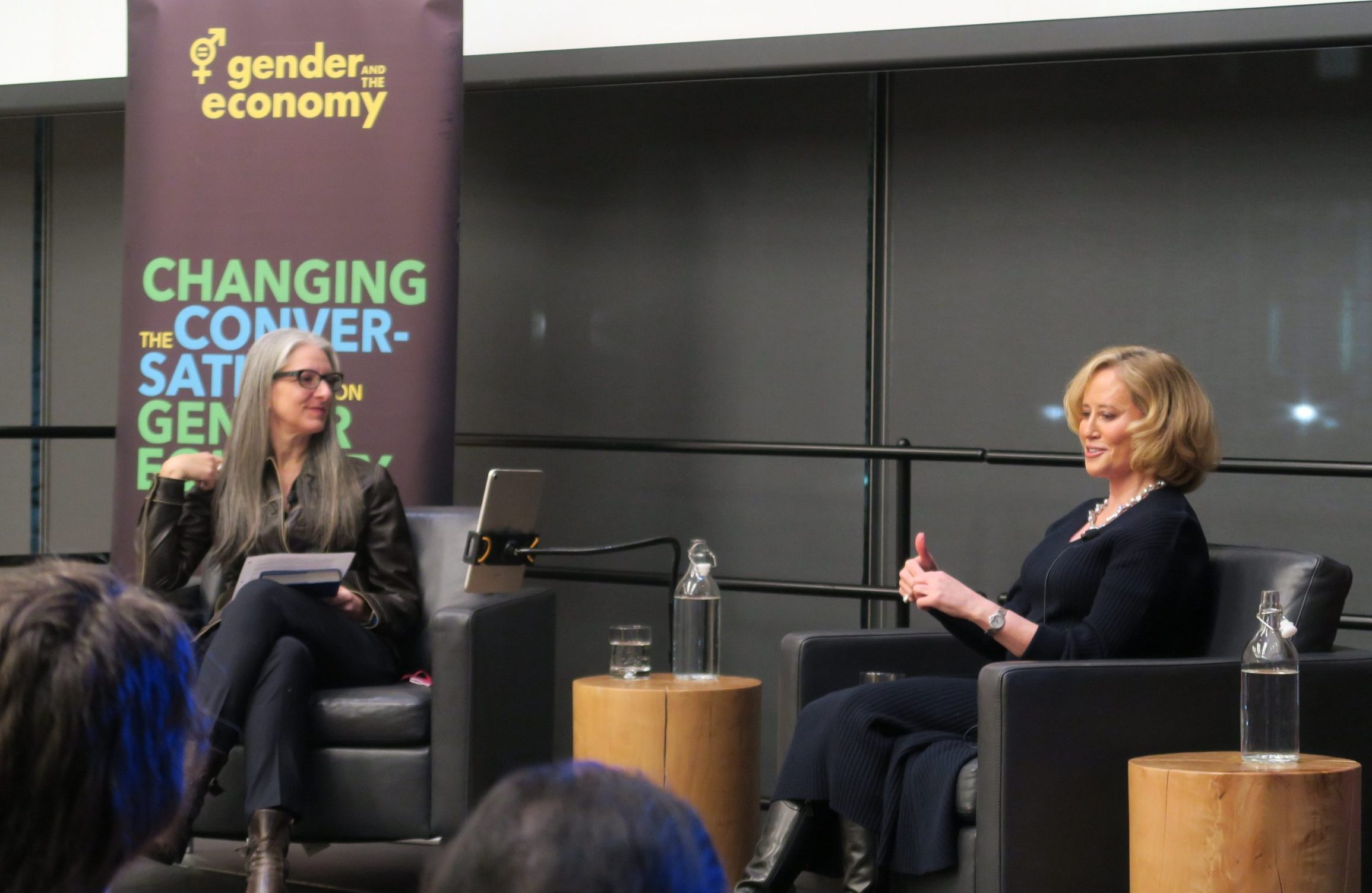
    GATE Director Sarah Kaplan hosted a conversation with Kim Samuel,founder of the Samuel Centre for Social Connectedness and academic lecturer at institutions including Oxford, Harvard, and McGill Universities, on her new book, On Belonging: Finding Connection in an Age of Isolation (Abrams Press). Together they had a lively discussion about what it means to belong and how to cultivate belonging when people are increasingly feeling isolated.

     Kim said that we are at an inflection point in which there is heightened stress, disconnection, and increasing environmental degradation, and how this has people searching for deeper connections.

    “This idea of feeling like you’re sitting alone at the bottom of the well is how I still see isolation in my mind, which is opposed to belonging, which is the feeling of being included. But not only in relationship to others but how you are inside, and the inclusion of your dignity, and your voice and your ability to choose which is how many people can be isolated all at once.”

    Kim explored the crisis of social isolation in four key areas: in our relationships with other people, in our rootedness in nature, in our ability to influence political and economic decision-making, and in our finding of meaning and purpose in our lives. She shared her lessons from the book on how to create communities that center human connection and how to build a world where we all feel at home.

    Watch Kim Samuel explain what she learned about isolation from Nelson Mandela.

    [/fusion_text][fusion_separator style_type=”none” hide_on_mobile=”small-visibility,medium-visibility,large-visibility” top_margin=”20″ bottom_margin=”20″ alignment=”center” /][fusion_button link=”https://www.gendereconomy.org/events/” target=”_blank” hide_on_mobile=”small-visibility,medium-visibility,large-visibility” color=”custom” button_gradient_top_color=”#62bd19″ button_gradient_bottom_color=”#62bd19″ button_gradient_top_color_hover=”#00c2e2″ button_gradient_bottom_color_hover=”#00c2e2″ stretch=”yes” icon_position=”left” icon_divider=”no” animation_direction=”left” animation_speed=”0.3″]See more events[/fusion_button][/fusion_builder_column][/fusion_builder_row][/fusion_builder_container]

  • We CAN Break Free: What it Takes to Challenge Gender-Based Violence

    We CAN Break Free: What it Takes to Challenge Gender-Based Violence

    [fusion_builder_container hundred_percent=”no” equal_height_columns=”no” hide_on_mobile=”small-visibility,medium-visibility,large-visibility” background_position=”center center” background_repeat=”no-repeat” fade=”no” background_parallax=”none” parallax_speed=”0.3″ video_aspect_ratio=”16:9″ video_loop=”yes” video_mute=”yes” border_style=”solid” type=”legacy”][fusion_builder_row][fusion_builder_column type=”1_1″ layout=”1_1″ background_position=”left top” border_style=”solid” border_position=”all” spacing=”yes” background_repeat=”no-repeat” margin_top=”0px” margin_bottom=”0px” animation_speed=”0.3″ animation_direction=”left” hide_on_mobile=”small-visibility,medium-visibility,large-visibility” center_content=”no” last=”true” hover_type=”none” first=”true” min_height=”” link=”” background_blend_mode=”overlay”][fusion_text columns=”” column_min_width=”” column_spacing=”” rule_style=”” rule_size=”” rule_color=”” hue=”” saturation=”” lightness=”” alpha=”” content_alignment_medium=”” content_alignment_small=”” content_alignment=”” hide_on_mobile=”small-visibility,medium-visibility,large-visibility” sticky_display=”normal,sticky” class=”” id=”” margin_top=”” margin_right=”” margin_bottom=”” margin_left=”” fusion_font_family_text_font=”” fusion_font_variant_text_font=”” font_size=”” line_height=”” letter_spacing=”” text_transform=”none” text_color=”” animation_type=”” animation_direction=”left” animation_speed=”0.3″ animation_offset=””]

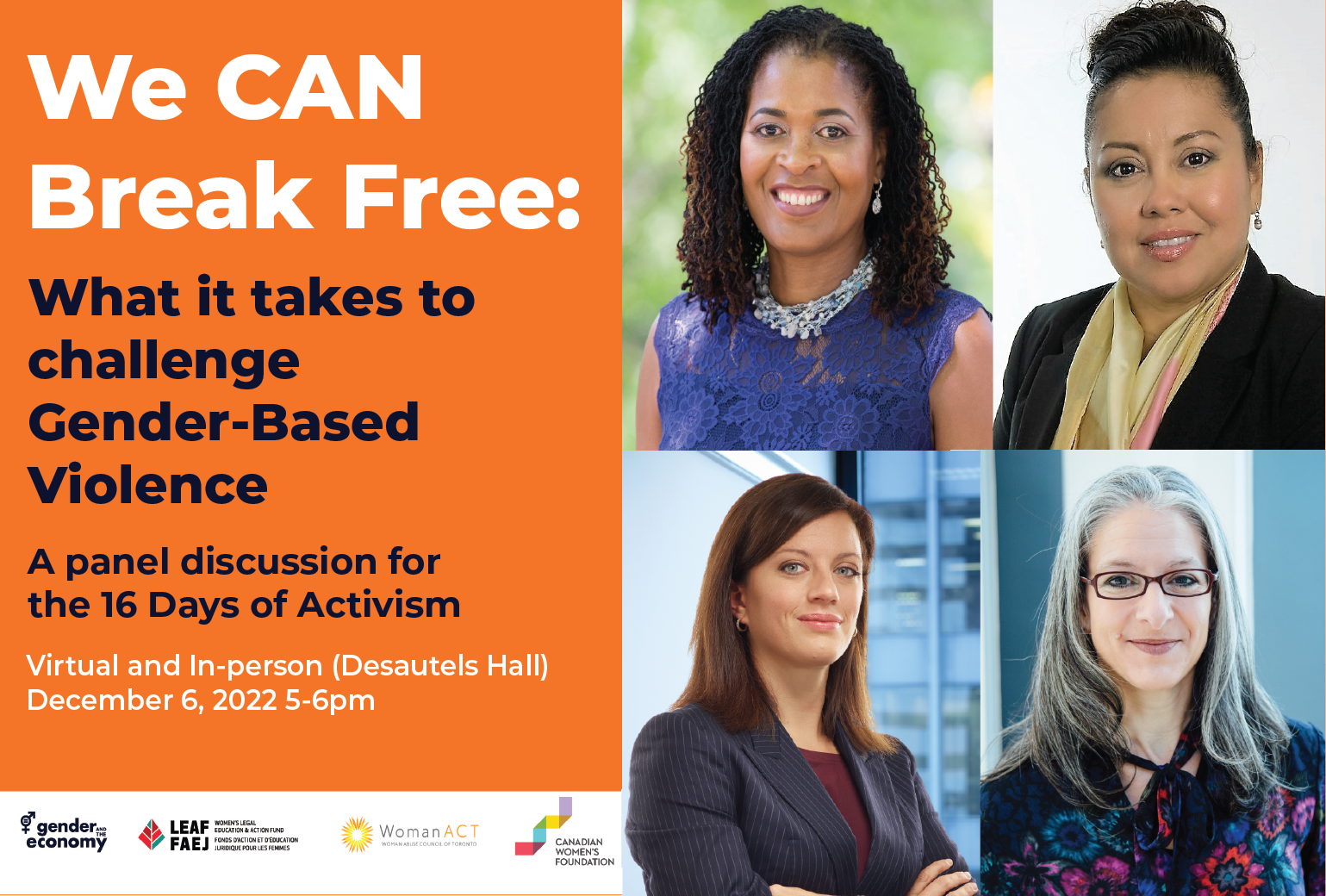
    Topic: We CAN Break Free: What it Takes to Challenge Gender-Based Violence : A panel discussion for the 16 Days of Activism against Gender-Based Violence

    Gender-based violence, a public health crisis, has exacerbated during the pandemic. The Canadian Femicide Observatory’s data shows that 173 women and girls were killed by violence in 2021, a sharp increase from 2019. And according to Women and Gender Equality Canada, at least 44% of heterosexual women, 67% of LGB+ women, and 59% of transgender and gender diverse people have experienced some form of psychological, physical, or sexual violence at home, in public, or at work.

    GATE co-hosted a panel discussion with Canadian Women’s Foundation, Women’s Legal and Education Action Fund (LEAF), and Woman Abuse Council of Toronto (WomanACT) on what it takes to challenge bender-based violence. We heard from three experts in the field— Pam Hrick, Executive Director and General Counsel of LEAF, Paulette Senior, President & CEO of the Canadian Women’s Foundation, and Harmy Mendoza, Executive Director of WomanACT— who debunked some of the biggest myths and explored what individuals, organizations, and communities can do to stop gender-based violence and support victims.

    GBV in the workplace

    Harmy Mendoza highlighted three key suggestions for employers to integrate into the workplace to support survivors of GBV.

    • Accountability: Employers should express their commitment to support survivors of intimate partner violence.
    • Prevention: Employers should have clear and comprehensive policy procedures in place if a GBV situation arises, and ensure their staff are aware of these policies. Training staff in bystander intervention training is also important in showing commitment to supporting survivors.
    • Response: The workplace should have response systems that empower employees by providing informed support services and services that emphasize empathy over judgement.

    Consent and the law

    Pam Hrick spoke on issues around consent and gender-based violence. She emphasized that a real disconnect exists between what the law says consent is and what is practiced in reality. Although the Canadian legal system has a detailed definition of consent, the justice system does not do a good job of dealing with sexual assault and related crimes. She emphasized that it isn’t built to center the needs of survivors; rather, it often revictimizes them. Pam also spoke of alternatives to the legal system that give further choices to survivors. Systems like restorative justice and transformative justice are grounded in community healing and accountability.

    Intersectionality and GBV

    Paulette Senior discussed how there isn’t a “one size fits all” approach to combating gender-based violence. She highlighted that policy solutions should take intersectionality into account, otherwise many people who need help slip through cracks in the system. People exist at the intersections of various identities such as race, gender, sexual identity and more. To help survivors, it’s important to understand their lived experiences.

    “All kinds of ‘isms” get in the way of serving people well. Being able to work through and view the people you’re working with through the intersectional lens, and understanding the experience through which they come to you for service. But also, them standing at the intersection of various identities which could be race, gender, sexual identity, ability or disability, all of that matters in serving people well.” – Paulette Senior

    Watch our panelists share advice on how to challenge gender-based violence

    The panelists offered more resources:

    Learn more about the Signal for help from the Canadian Women’s Foundation and sign up to be a Signal Responder.

    Read the new report by Woman Abuse Council of Toronto (Woman ACT) on intersections between employment and safety among racialized women

    Learn more about sexual assault and consent law from the Women’s Legal Education and Action Fund (LEAF)

    [/fusion_text][fusion_separator style_type=”none” hide_on_mobile=”small-visibility,medium-visibility,large-visibility” top_margin=”20″ bottom_margin=”20″ alignment=”center” /][fusion_button link=”https://www.gendereconomy.org/events/” target=”_blank” hide_on_mobile=”small-visibility,medium-visibility,large-visibility” color=”custom” button_gradient_top_color=”#62bd19″ button_gradient_bottom_color=”#62bd19″ button_gradient_top_color_hover=”#00c2e2″ button_gradient_bottom_color_hover=”#00c2e2″ stretch=”yes” icon_position=”left” icon_divider=”no” animation_direction=”left” animation_speed=”0.3″]See more events[/fusion_button][/fusion_builder_column][/fusion_builder_row][/fusion_builder_container]

  • Shared Sisterhood: Collective Action for Racial & Gender Equality at Work

    Shared Sisterhood: Collective Action for Racial & Gender Equality at Work

    [fusion_builder_container hundred_percent=”no” equal_height_columns=”no” hide_on_mobile=”small-visibility,medium-visibility,large-visibility” background_position=”center center” background_repeat=”no-repeat” fade=”no” background_parallax=”none” parallax_speed=”0.3″ video_aspect_ratio=”16:9″ video_loop=”yes” video_mute=”yes” border_style=”solid” type=”legacy”][fusion_builder_row][fusion_builder_column type=”1_1″ layout=”1_1″ background_position=”left top” border_style=”solid” border_position=”all” spacing=”yes” background_repeat=”no-repeat” margin_top=”0px” margin_bottom=”0px” animation_speed=”0.3″ animation_direction=”left” hide_on_mobile=”small-visibility,medium-visibility,large-visibility” center_content=”no” last=”true” hover_type=”none” first=”true” min_height=”” link=”” background_blend_mode=”overlay”][fusion_text columns=”” column_min_width=”” column_spacing=”” rule_style=”” rule_size=”” rule_color=”” hue=”” saturation=”” lightness=”” alpha=”” content_alignment_medium=”” content_alignment_small=”” content_alignment=”” hide_on_mobile=”small-visibility,medium-visibility,large-visibility” sticky_display=”normal,sticky” class=”” id=”” margin_top=”” margin_right=”” margin_bottom=”” margin_left=”” fusion_font_family_text_font=”” fusion_font_variant_text_font=”” font_size=”” line_height=”” letter_spacing=”” text_transform=”none” text_color=”” animation_type=”” animation_direction=”left” animation_speed=”0.3″ animation_offset=””]

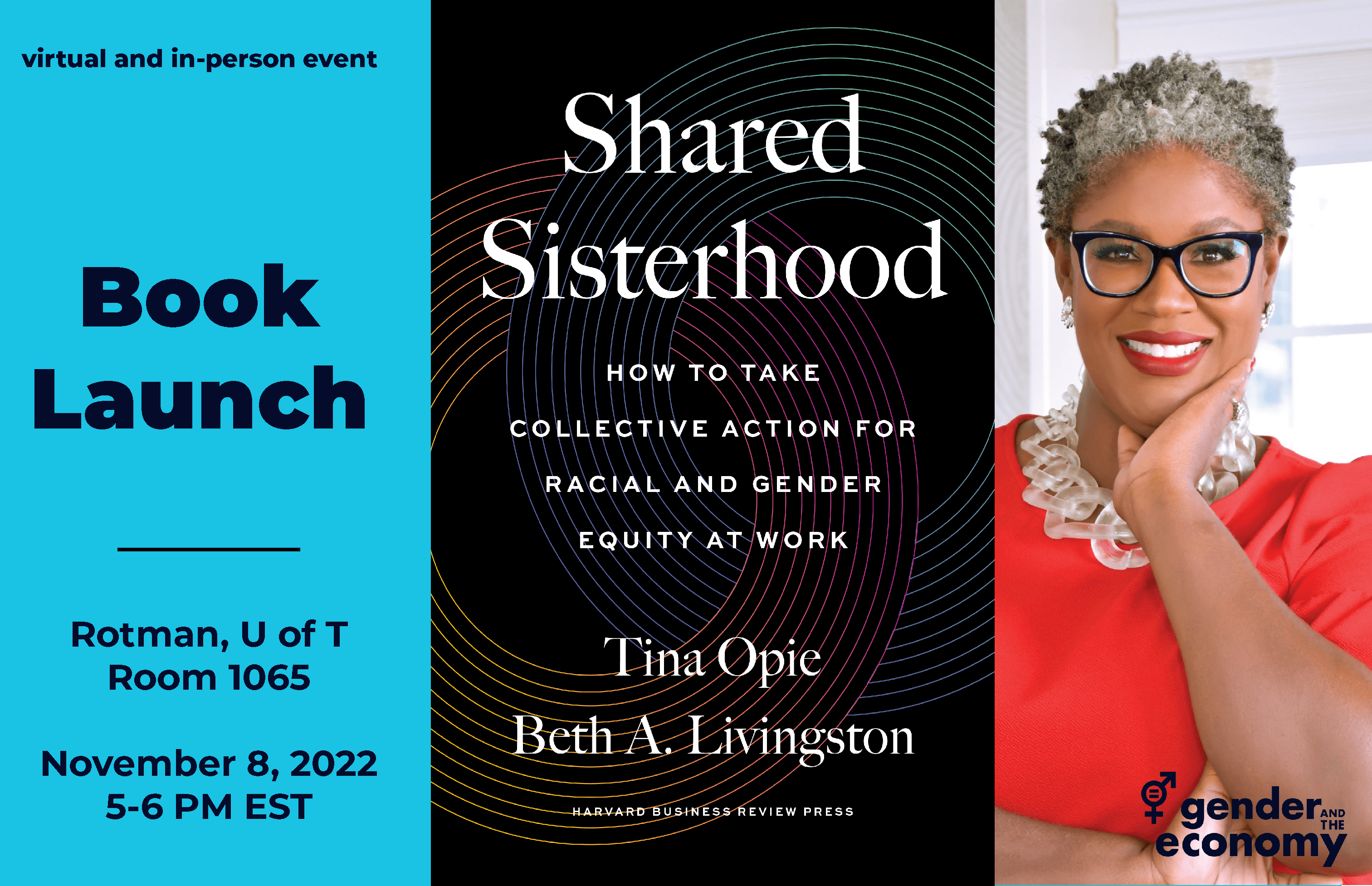
    Topic: Shared Sisterhood: How To Take Collective Action For Racial and Gender Equity At Work (Harvard Business Review Press, October 11, 2022)

    GATE Faculty Research Fellow Sonia Kang recently hosted a thought-provoking conversation with Tina Opie, Associate Professor of Management at Babson College and an award-winning teacher, researcher, consultant, and speaker. Tina is a co-author of the new book, Shared Sisterhood: How to Take Collective Action for Racial and Gender Equity at Work. The book explores how to build crucial alliances through vulnerability, trust, empathy, and risk-taking, so that all women can advance in the workplace and create systemic change.

    Although strides have been made towards equity in the last few decades, gender and racial bias persists in organizations and in society. Even more disconcerting, Black women and other women of color are held back more than their White counterparts. Most advice for women encourages individuals to speak up, be assertive, or lean in—to assimilate into a system modeled after White men. But individual action is not enough. Tina spoke of the need for collective action, highlighting that when marginalized and more privileged women work together, all women can experience the benefits of professional growth and equality. Using examples from the book she encouraged everyone to join the sisterhood, emphasizing that anyone, regardless of gender, can be a part of it.

    Balancing a mix of history, research, and real-life examples, Tina broke down three key parts of the process of shared sisterhood:

    1. Dig into your own assumptions around racioethnicity, gender, and power
    2. Bridge the divide between women of all racioethnic groups through authentic relationships
    3. Advance all women across the organization and beyond

    “Educate yourself, follow people who are different than you, and be honest with yourself about your own notions.” – Tina Opie

    Watch Tina Opie discuss what shared sisterhood can look like

    [/fusion_text][fusion_separator style_type=”none” hide_on_mobile=”small-visibility,medium-visibility,large-visibility” top_margin=”20″ bottom_margin=”20″ alignment=”center” /][fusion_button link=”https://www.gendereconomy.org/events/” target=”_blank” hide_on_mobile=”small-visibility,medium-visibility,large-visibility” color=”custom” button_gradient_top_color=”#62bd19″ button_gradient_bottom_color=”#62bd19″ button_gradient_top_color_hover=”#00c2e2″ button_gradient_bottom_color_hover=”#00c2e2″ stretch=”yes” icon_position=”left” icon_divider=”no” animation_direction=”left” animation_speed=”0.3″]See more events[/fusion_button][/fusion_builder_column][/fusion_builder_row][/fusion_builder_container]